How to Buy a Bra That Fits
Content editor
Sarah Lafarge
Finding the right fit
Wearing the right-size bra is important whatever your bust size. An ill-fitting bra can cause back and neck pain and poor posture, not to mention painful rubbing and chafing. Giving your breasts the right support is not only vital for comfort, but for general wellbeing, too, so regular fittings are important.
We recommend getting fitted every six to twelve months, as your breasts can fluctuate in size thanks to hormonal changes during puberty, pregnancy, or the menopause, and also after weight loss or gain.
Whatever your bra size, the right fit still matters for comfort and long‑term support. Choose styles that complement your shape – we offer a wider variety of bras to help you find the perfect fit for you.
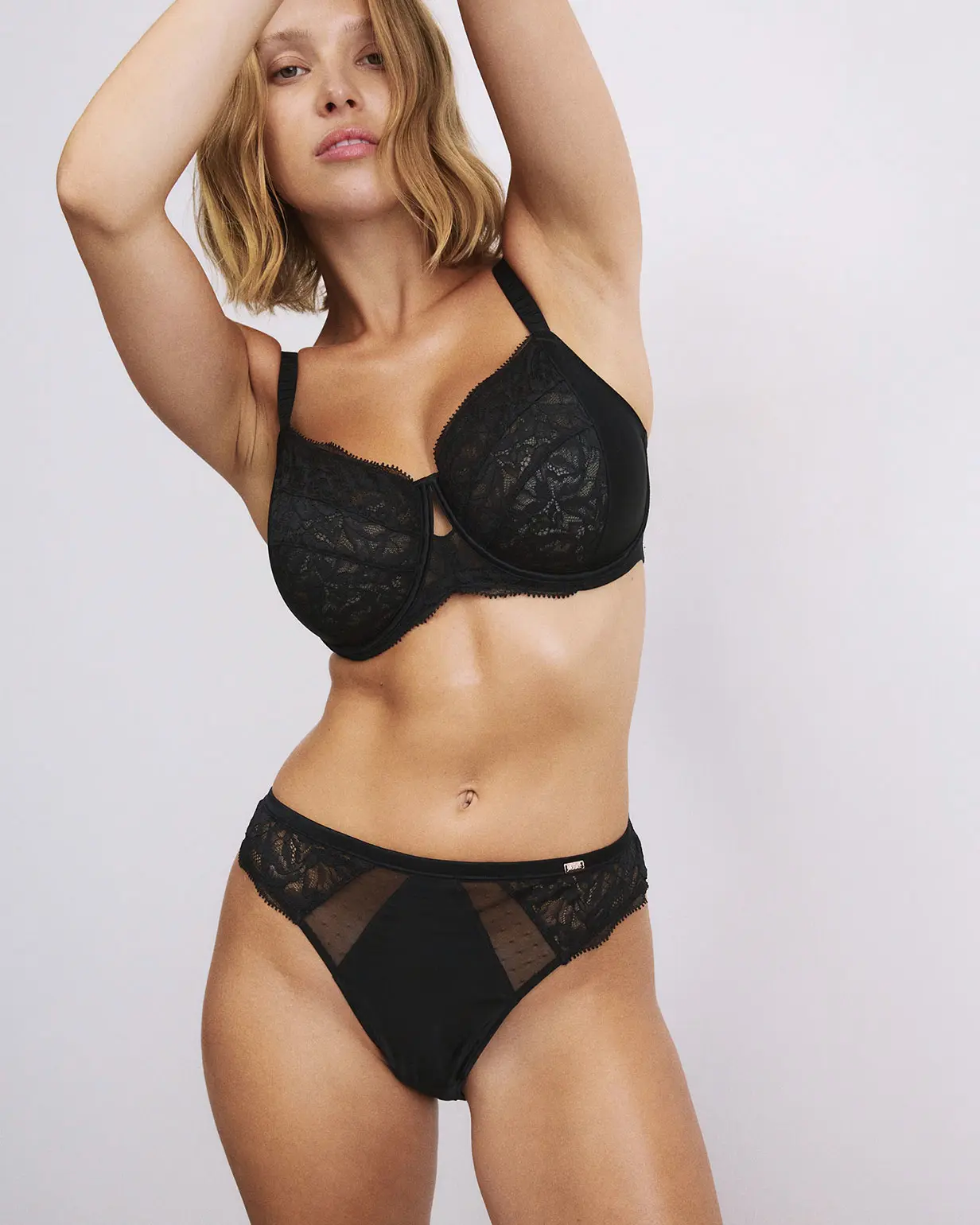
Top tips for fuller busts
If you've been measured as an F-cup bra or above, it's even more vital that you wear a correctly fitting bra. The underband does most of the work, so getting this measurement right matters just as much as choosing the correct cup size and style.
“Our F+ bras are designed with built‑in support across all our styles –from bralettes and non‑wired options to wired minimiser bras,” says Stephanie Dear, Product Technologist.
“Bodies naturally change throughout the month so we recommend choosing a bra that fits comfortably on the middle hook. This gives you the flexibility to adjust the band whenever you need to. Remember too that bra straps should sit level on your body, and make sure that the underband doesn't ride up”.
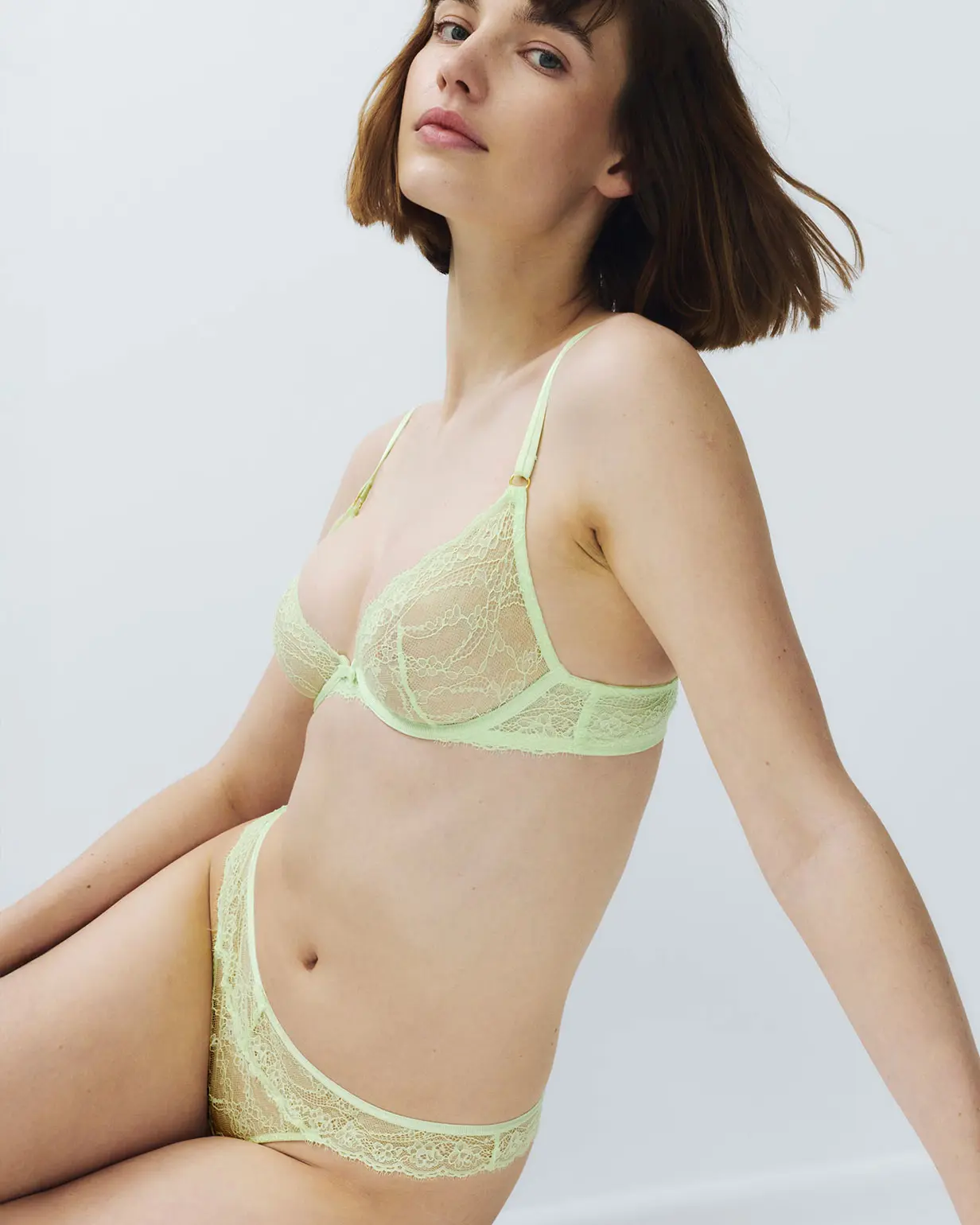
Top tips for smaller busts
If you have a smaller bust, you might think you don't need quite as much support as those who wear an E-cup or above, but getting the fit right is just as important – not only for comfort, but to prevent any premature sagging. Choose a bra style designed to flatter your shape. “For women with smaller busts, we have a range of bralettes, crop tops, non-wired and wired bras, in cup sizes A to E, so every customer will find a style to suit,” says M&S bra technologist Stephanie Dear.
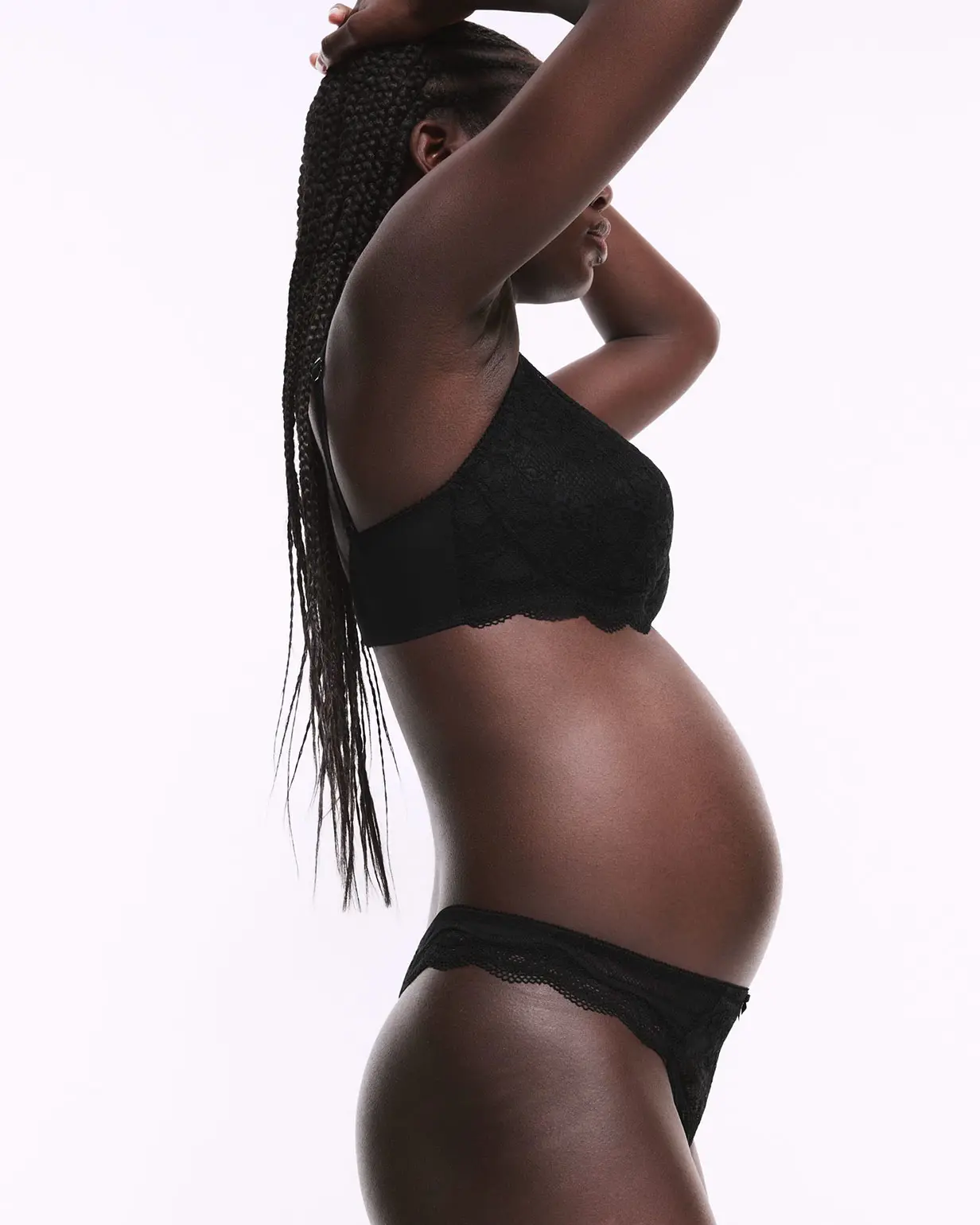
Maternity and nursing bras
One of the most transformative times for your body is during pregnancy. Breasts become larger and much more tender in the first few weeks, so it's essential that you get fitted and start wearing a suitably supportive (and comfortable) bra as soon as possible. Breasts also can grow again after your baby is born and breastfeeding begins.
“We advise all women to be fitted regularly during pregnancy to make sure they are wearing the right-size bra as their breasts develop,” says Stephanie. “Switch to non-wired bras, as underwiring can put pressure on milk ducts – unless the wiring has been specially designed for pregnancy and nursing. If you're planning to breastfeed, book a fitting during the last trimester to choose a nursing bra.”
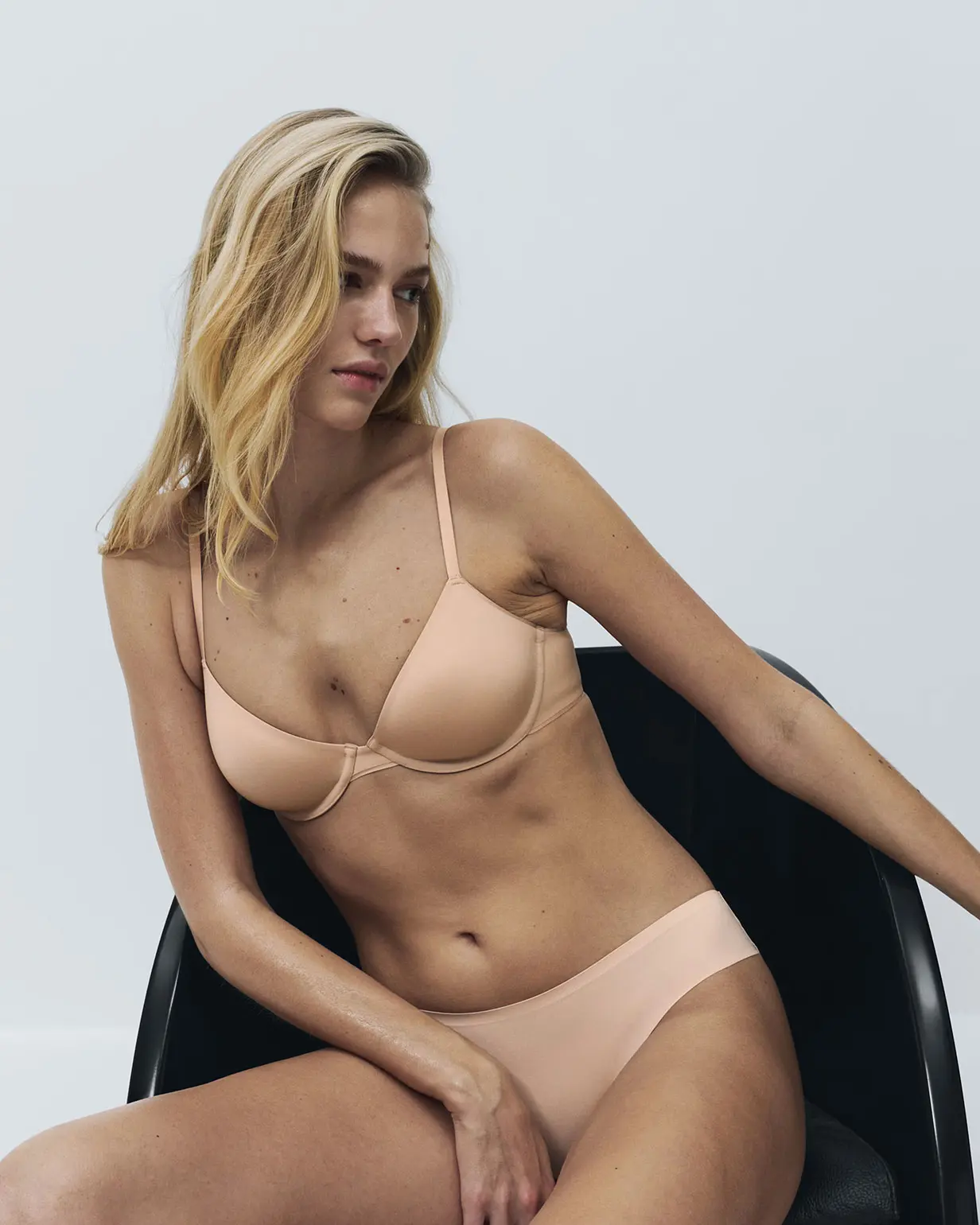
How to make your bra fit perfectly
The tell-tale signs that your bra is too big or small:
Spilling out over the cups: Choose a larger cup size. If you're spilling out at the front and under the arms, you might need to go up a cup size.
Straps digging in: Support should come from your bra's underband, not the straps. Loosen the straps and then see if the underband feels too loose or too tight.
Your breast escapes from the bottom of the cup: You need a bigger cup size and possibly a smaller underband.
Uncomfortable front underwiring: Wiring should always sit flat between your boobs, if it doesn't, you need to increase your cup size.
Bra rising up at the back: If the bra is less than a year old, you need a smaller back size. If it's older, the elastic might have gone, so it needs replacing.
Wiring digging in at the side: You need a bigger cup size and a smaller underband size.
Published 09/04/2026