What is Retinol?
Content editor
Jayne Cherrington-Cook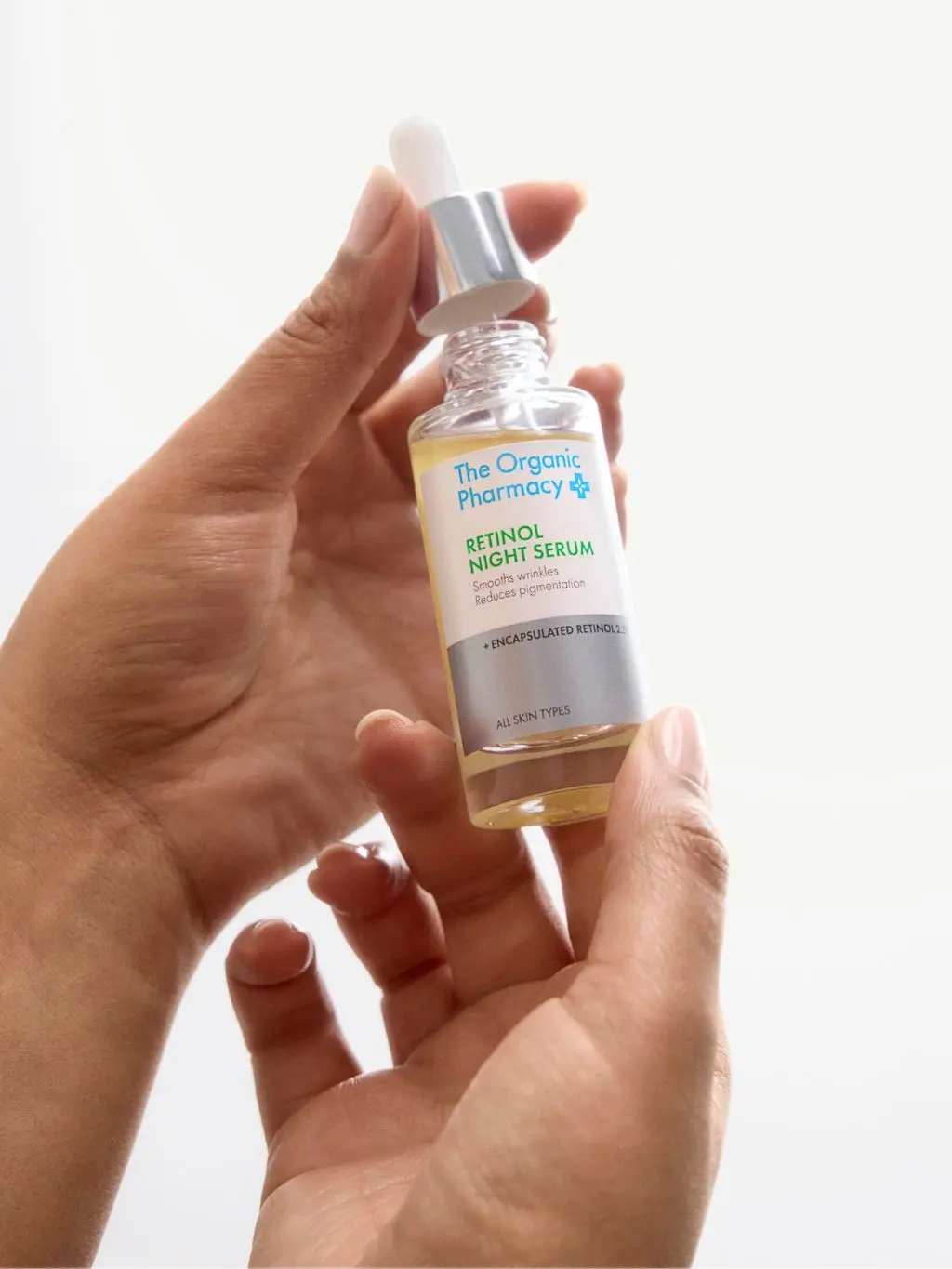
What is retinol?
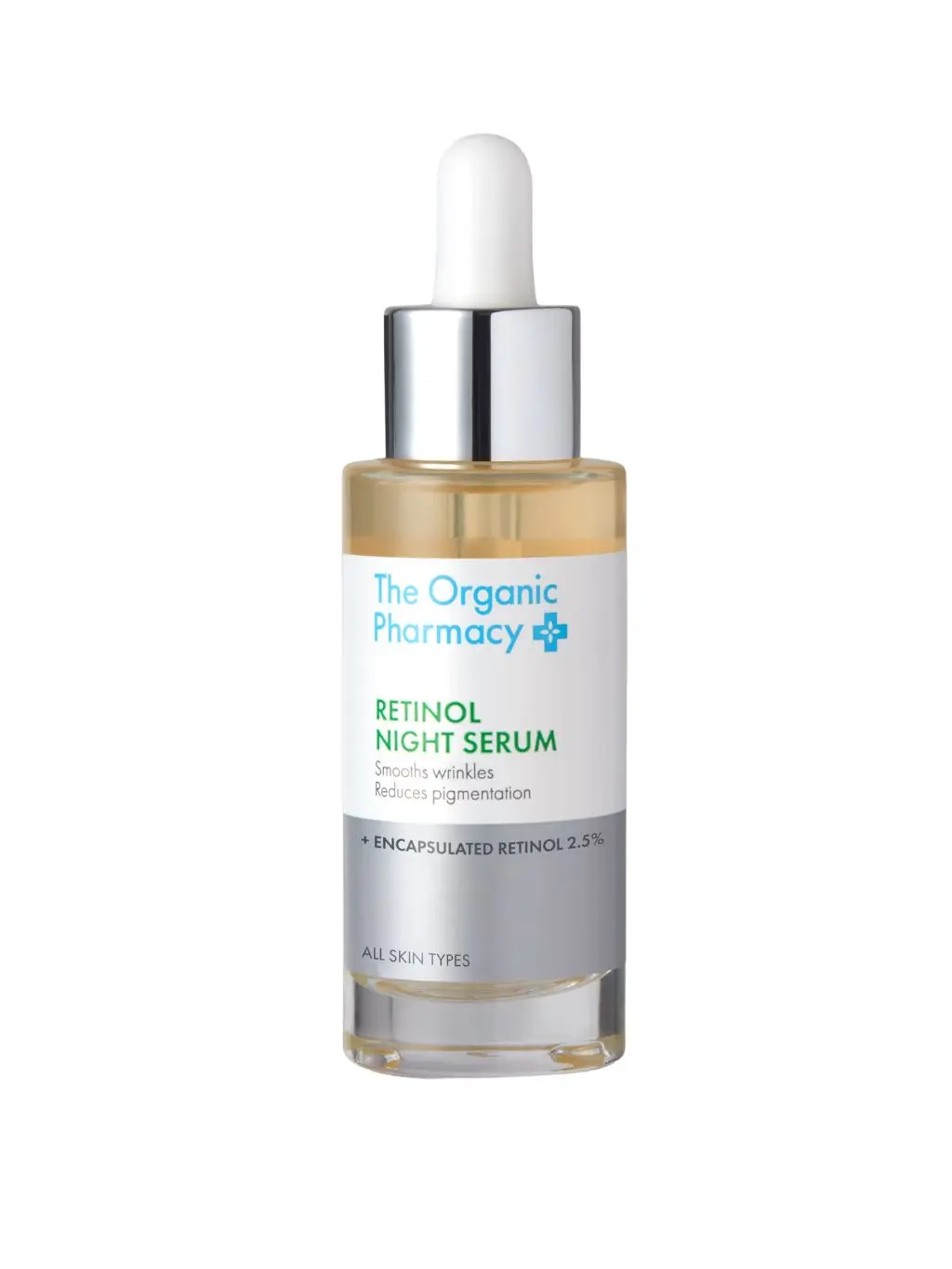
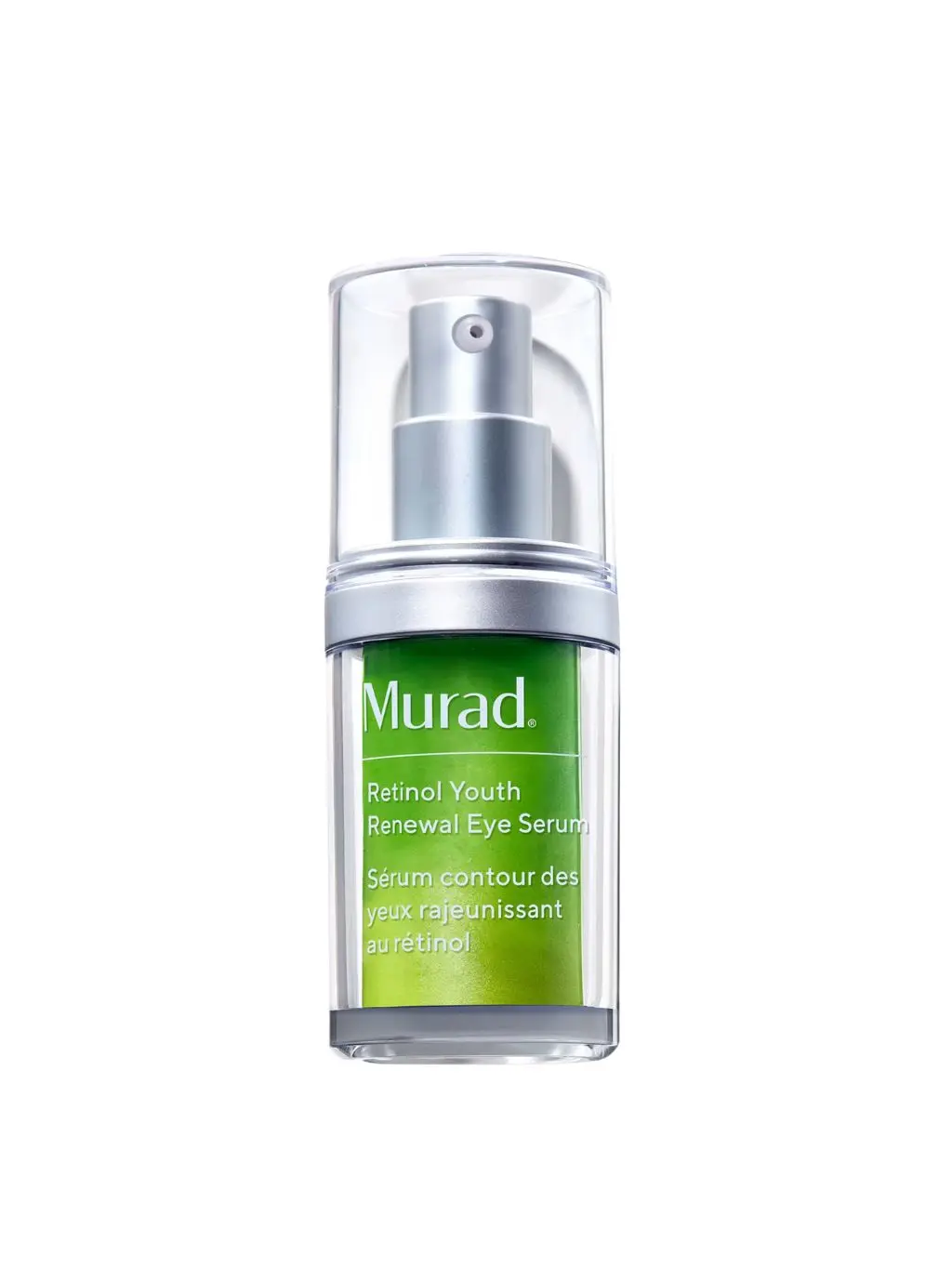
Retinol is a form of vitamin A found in many skincare products, including serums, moisturisers and eye creams. It’s best known for supporting skin renewal, which is why it’s often linked with brighter, smoother-looking skin over time.
Retinol also acts as an antioxidant, helping to neutralise free radicals – unstable molecules created by things like UV exposure and pollution – that can contribute to visible signs of premature ageing. Because it helps strengthen and refresh the skin’s surface, retinol can also support hydration and improve the look of uneven texture, breakouts and sun damage.

What does retinol do?
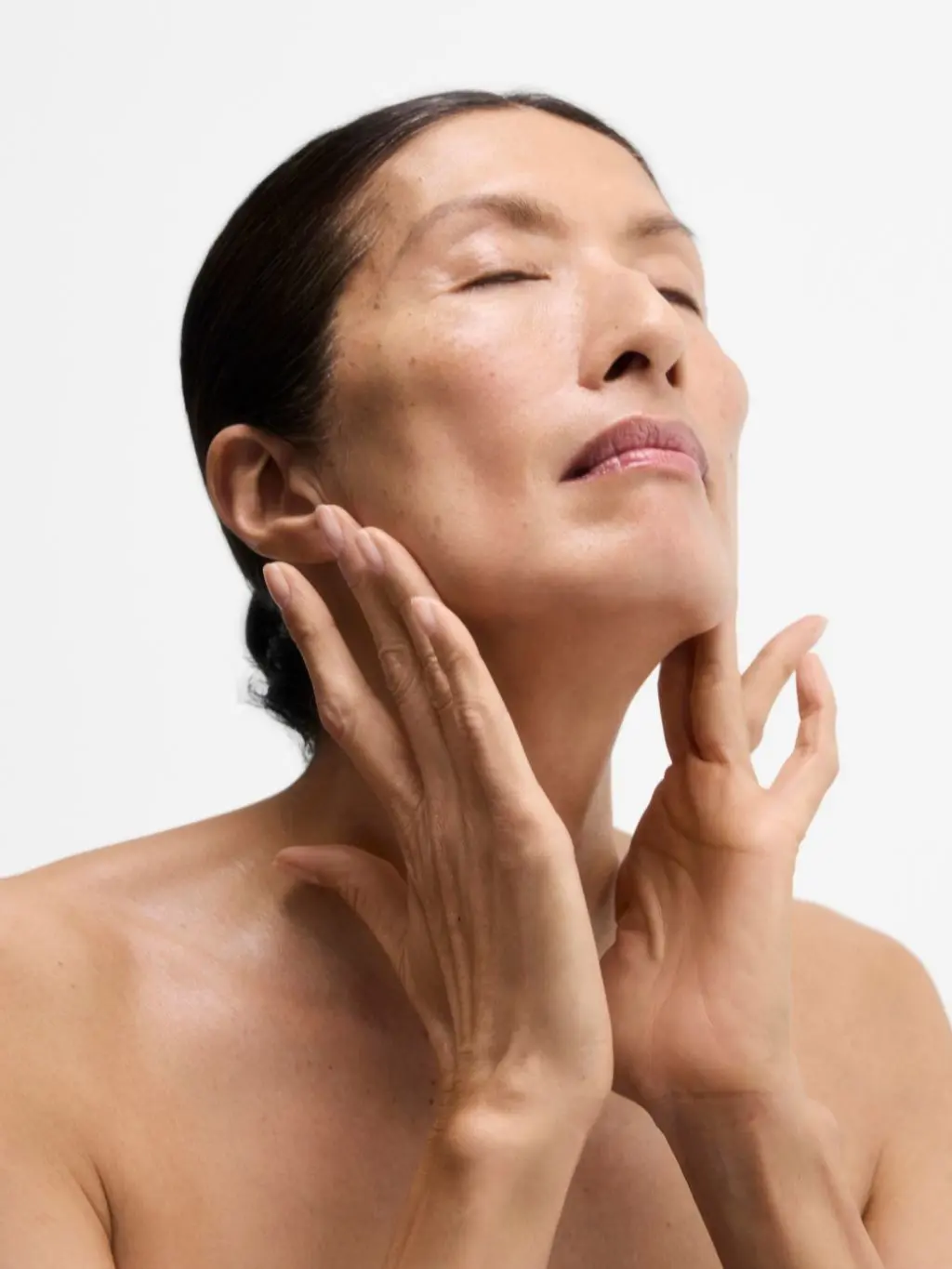
Retinol is widely recognized for its ability to reduce the signs of ageing. It can help reduce the appearance of fine lines, wrinkles, and age spots by promoting the production of collagen, a protein that gives the skin its elasticity and youthful appearance. Regular use of retinol-based products can help improve skin texture and tone, resulting in a more youthful complexion.
It also boosts skin cell turnover, encouraging older surface cells to shed and fresh new ones to come through. This renewing action helps unclog pores, improve clarity and reduce the look of blemishes, making it a go-to for acne-prone skin too.
Retinol can also be beneficial in addressing hyperpigmentation issues such as dark spots, sun spots, and melasma (patches of pigmented skin caused by hormonal changes such as pregancy). It works by slowing down the production of melanin, the pigment responsible for skin coloration, so can help fade dark spots and even out the skin tone over time.
How to use retinol safely
Retinol can be powerful, so it’s normal for skin to take a little time to adjust. If you’re new to it, start with a lower-strength retinol (such as 0.1% or below) and go slow: use it one to two nights a week, moisturise well, then build up gradually as your skin adapts (you can increase strength later if you need to).
Mild dryness, flakiness or redness can happen at first, but this usually settles. Stick to the directions and keep the rest of your routine simple and hydrating while you’re introducing it.
Because retinol can make skin more sun-sensitive, daily SPF is non-negotiable. It’s also best avoided if you’re pregnant, breastfeeding or trying to conceive and if you have very sensitive, eczema- or rosacea-prone skin, speak to a dermatologist or skincare professional to find the right strength and frequency.
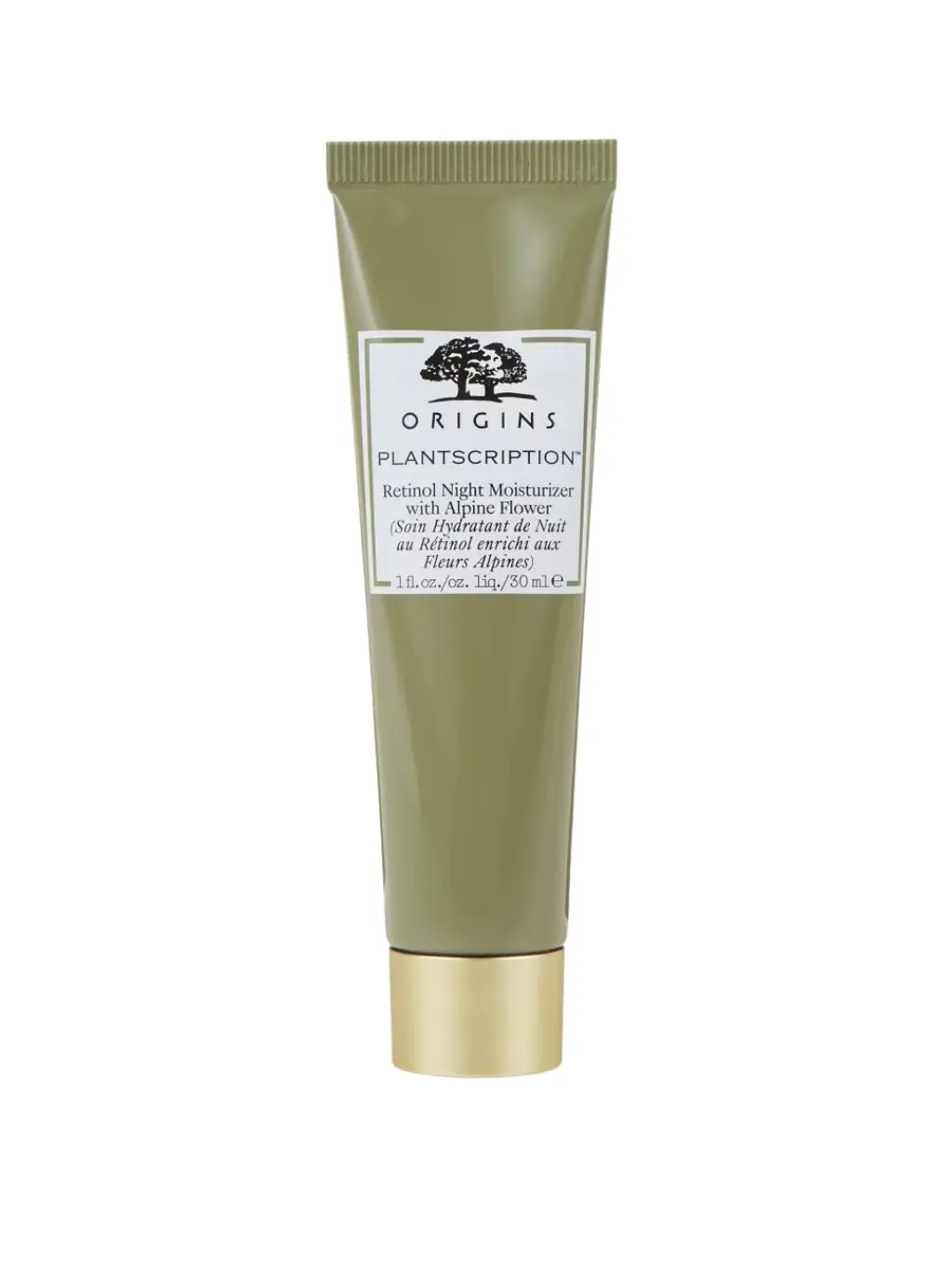
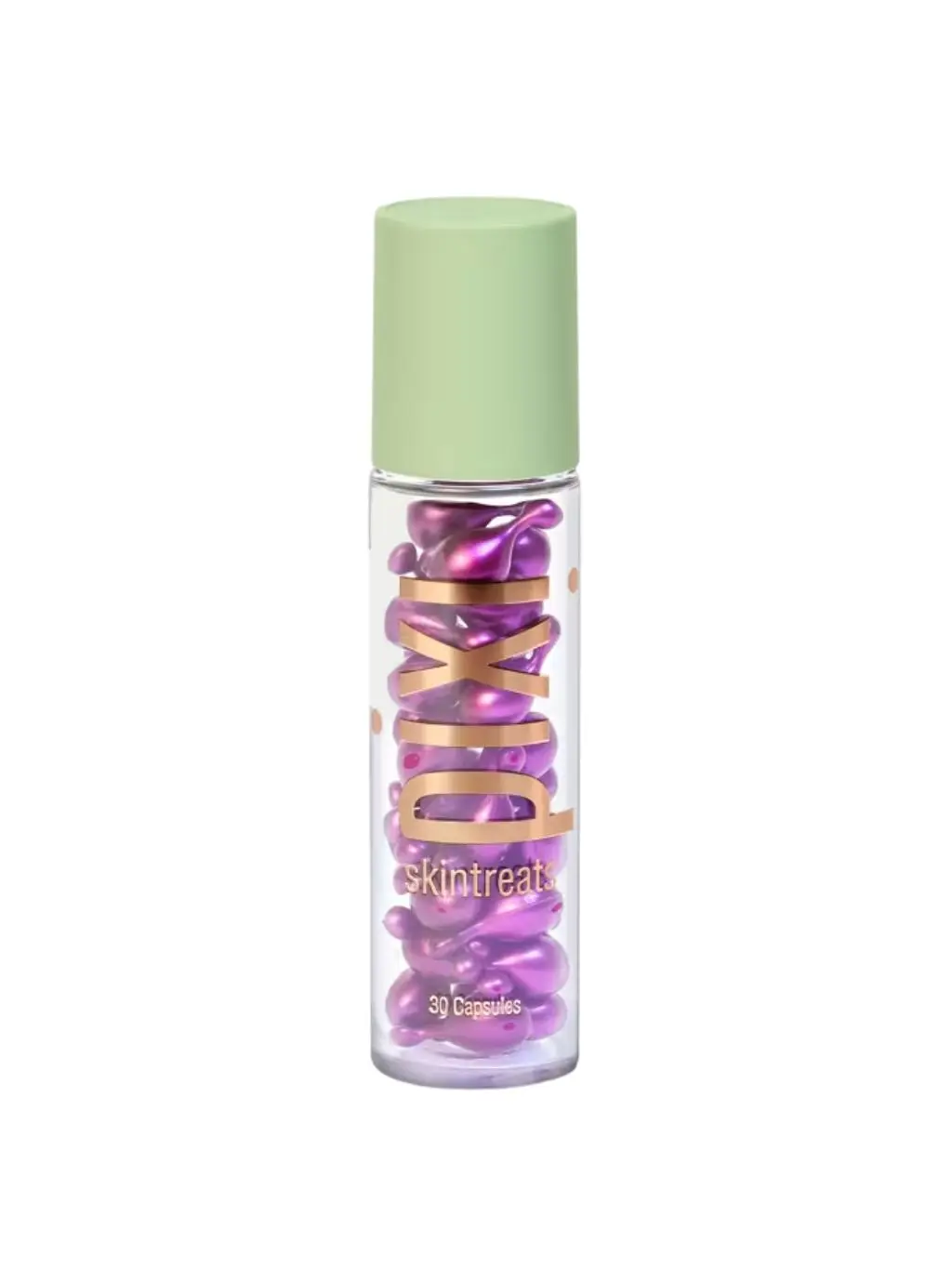
Published 12/02/2026
Related Stories
31/03/2026
Must-have beauty buys
Looking for what’s next in beauty? From cult favourite brands like Color Wow and Beauty of Joseon, these are the formulas to know.
Read More
05/02/2026
The K-Beauty Edit
The Korean beauty routine is all about prevention, hydration and consistency. Here are the 10 steps you need to know
Read More
23/12/2025
Wellness that really works
We asked 1,000 British women what wellness means to them. They told us what really matters: good sleep, a feeling of calm and skincare that works. Explore our top products that deliver
Read more
12/12/2025
How to brighten dark spots
From sun exposure to past breakouts, here’s how to remove dark spots on your face and help restore a smoother, more balanced-looking complexion
Read More