Your ultimate guide to rosé wine
Food Editor
Malou Herkes
The best rosé for summer
Dame Joan Collins has called it: rosé season is officially open, and this year, we've raised the bar even higher with a collection of new rosé wines as stylish as summer itself. Find these fresh arrivals, and so much more, in the Foodhall now:
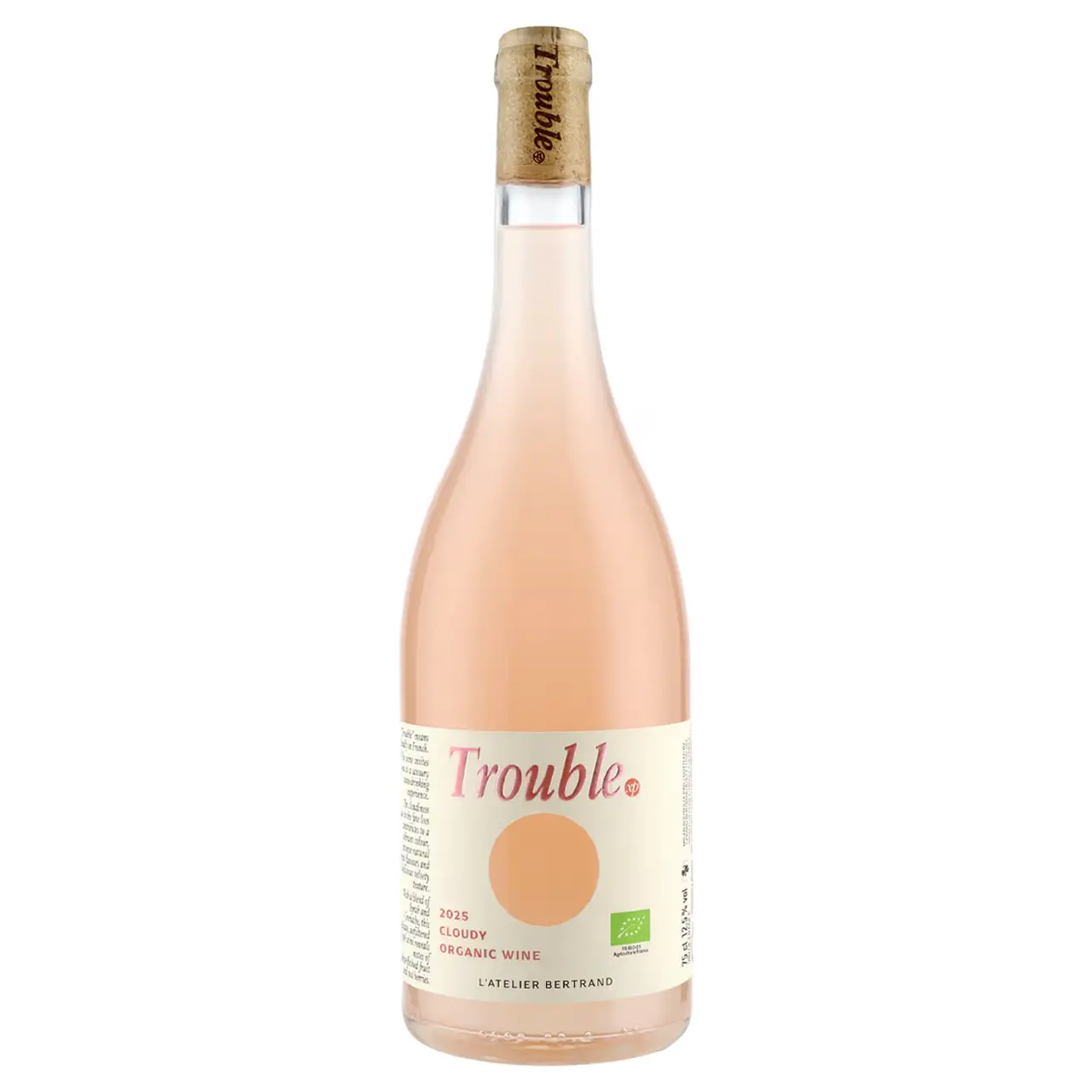
Trouble Cloudy Rosé: This organic wine is harvested by hand with a gentle pressing process to help maintain delicate flavours and aromas.
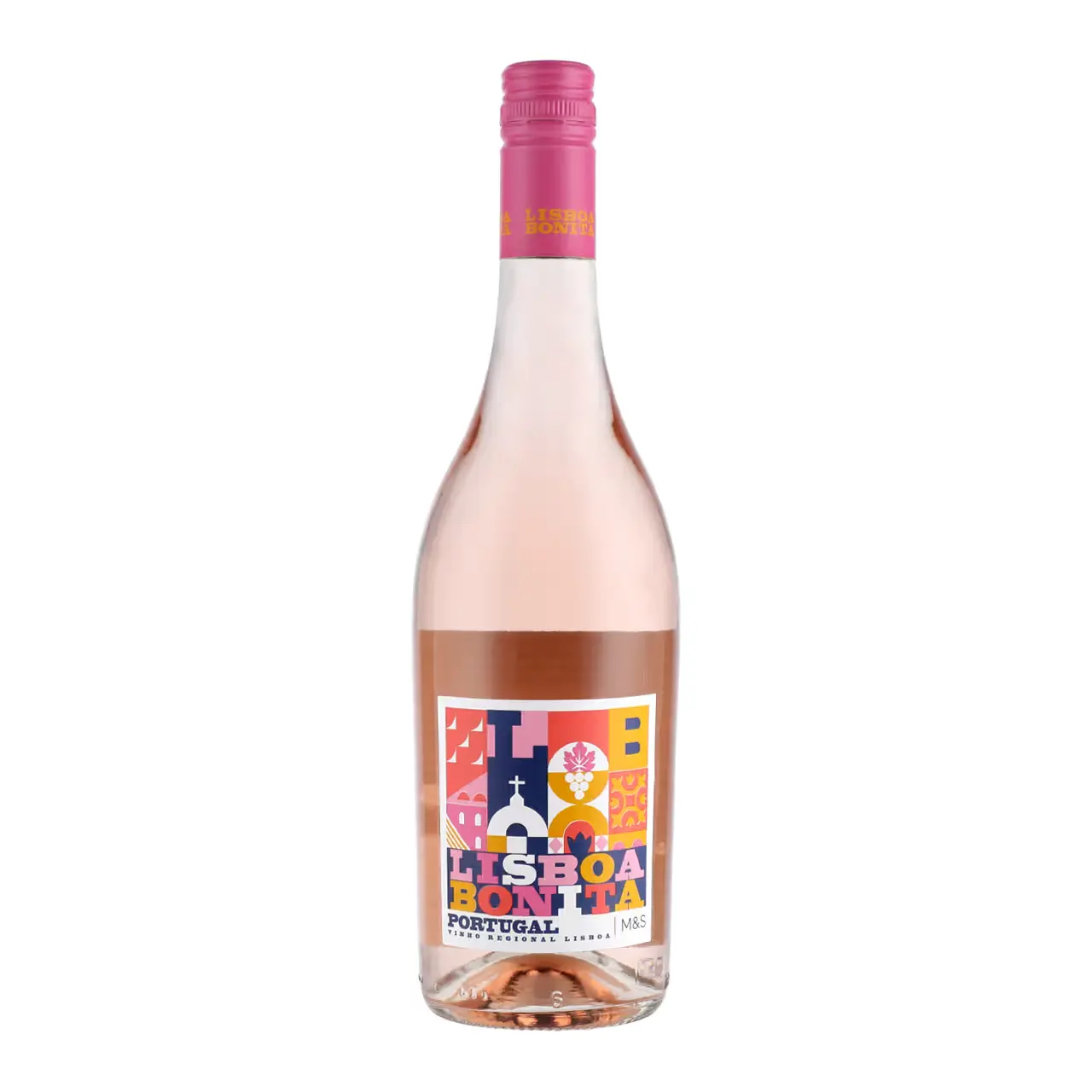
Lisboa Bonita Rosé: An unexpected new arrival from the hills of Portugal, this rosé has subtle salinity that balances summery sweetness.
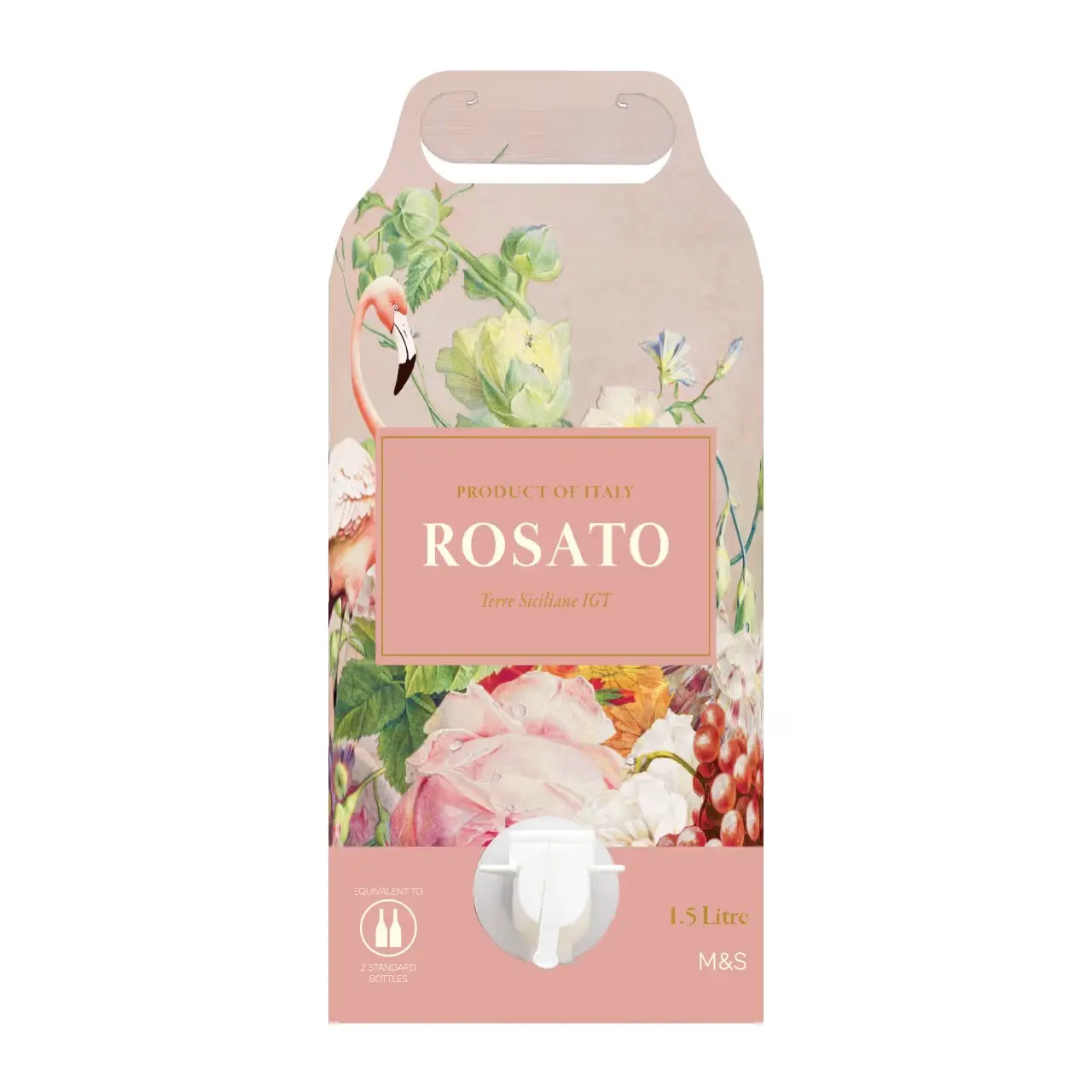
Italian Rosato: With a blend of Syrah and Merlot grapes for plenty of dark fruit juiciness, this dry rosé from Sicily finishes with fragrant floral notes. Now available in a 1.5 litre pouch, perfect for sharing at summer BBQs.
Our pick of the summer rosé
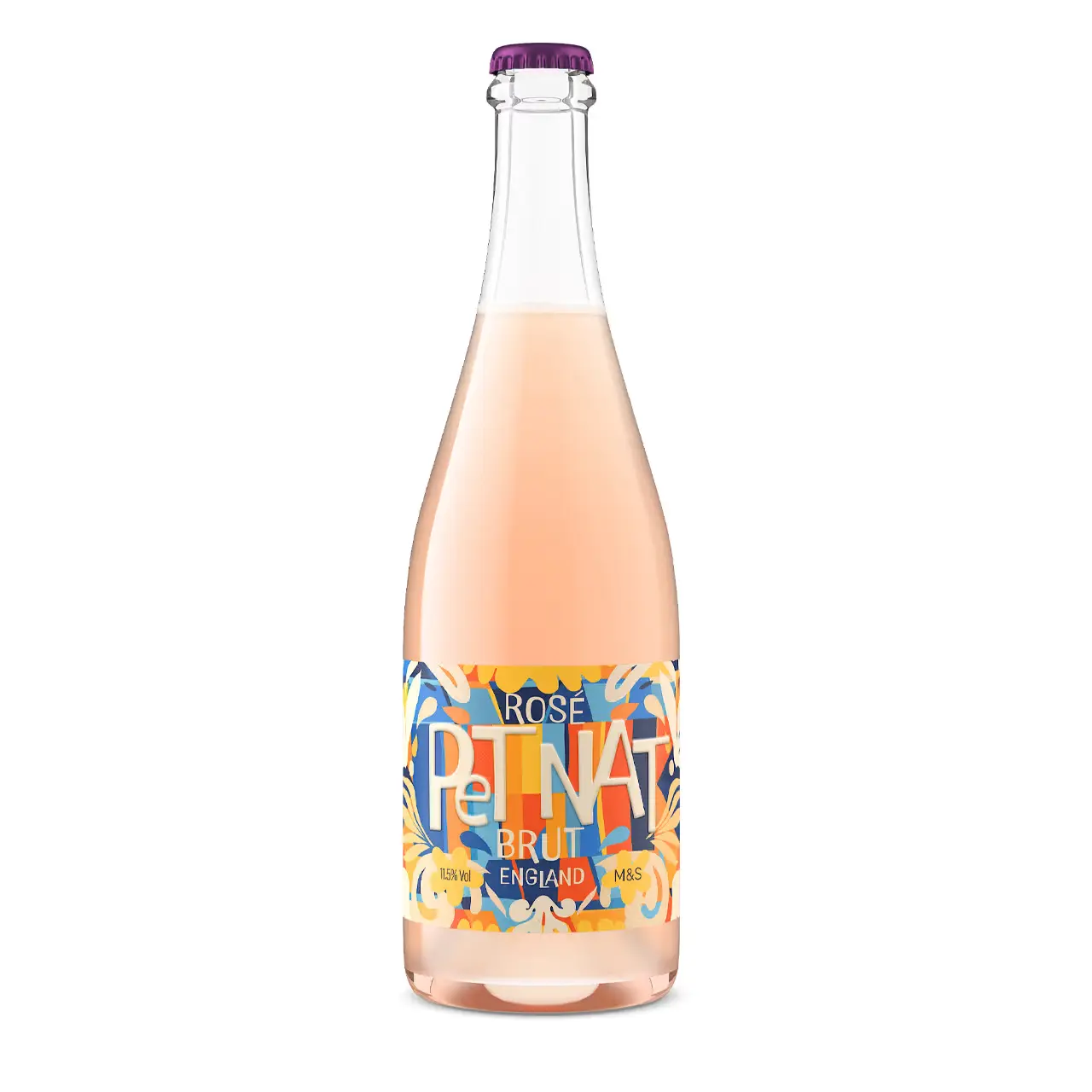
What is rosé wine and how is it made?
A pink-coloured wine, made from red grapes, rosé wine ranges from still to sparkling. Its pink colour comes from the red grapes it's made from, but unlike red wine, the grape skins are removed from the juice after only a short time, giving it its characteristically lighter colour.
Rosé wine is made in much the same way as white wine. The grapes are crushed, releasing their juices, and left to macerate with the skins for anywhere between two hours and two days. The skins are removed, and the juice is fermented into wine, typically by adding yeast. Rosés are often aged briefly in stainless steel tanks before being bottled.
Whereas you might think of rosé as a summer drink, it's now increasingly enjoyed all year round. "More people are serving a chilled rosé for special occasions, instead of champagne. It's light, easy drinking and elegant", says our in-house winemaker Belinda Kleinig.
What are the different types of rosé?
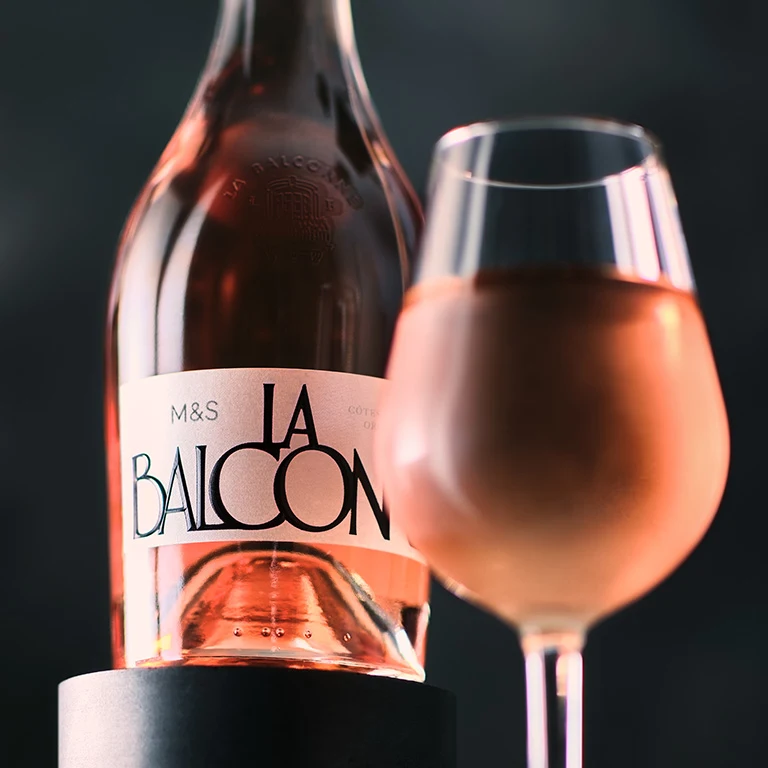
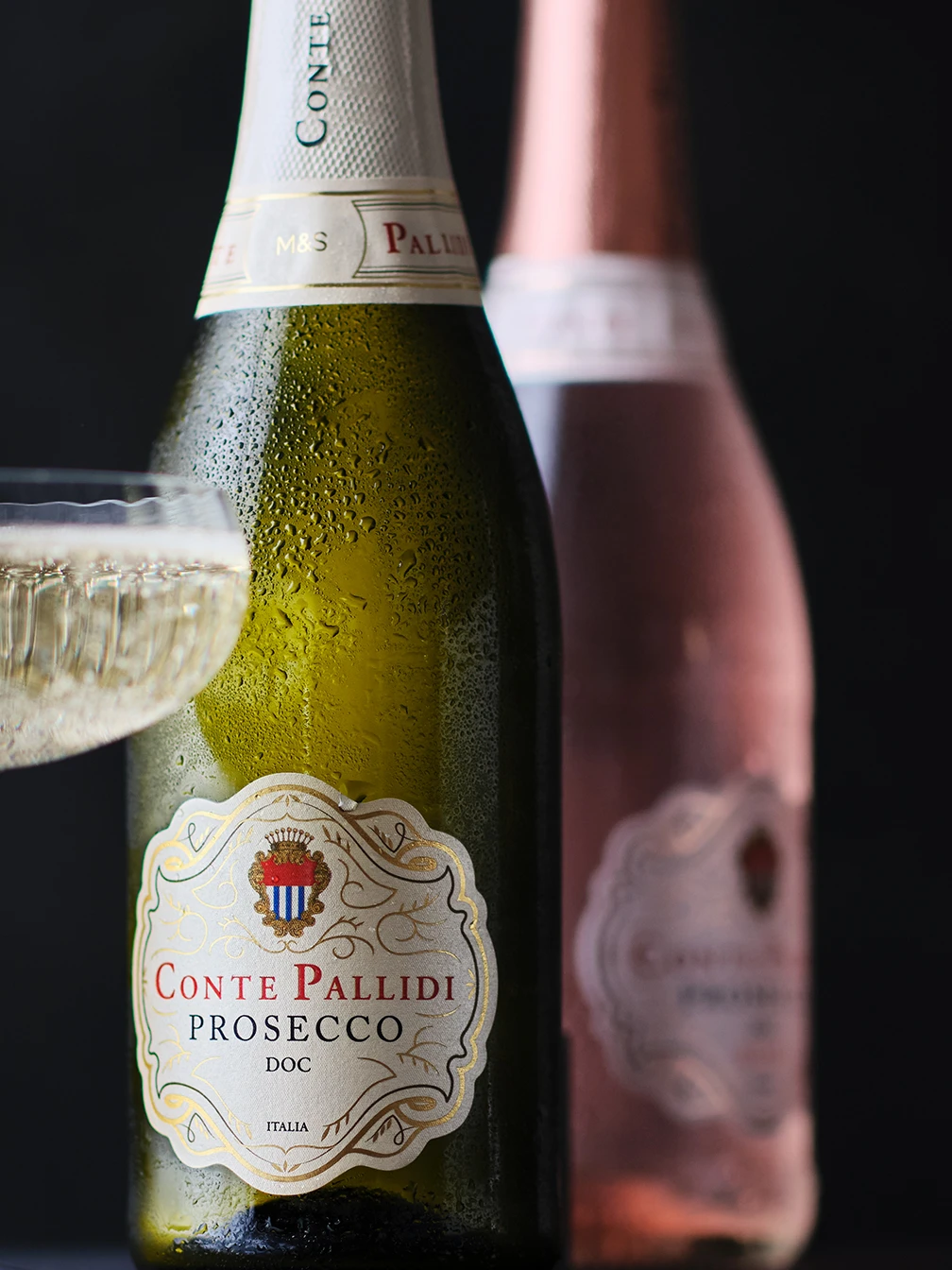
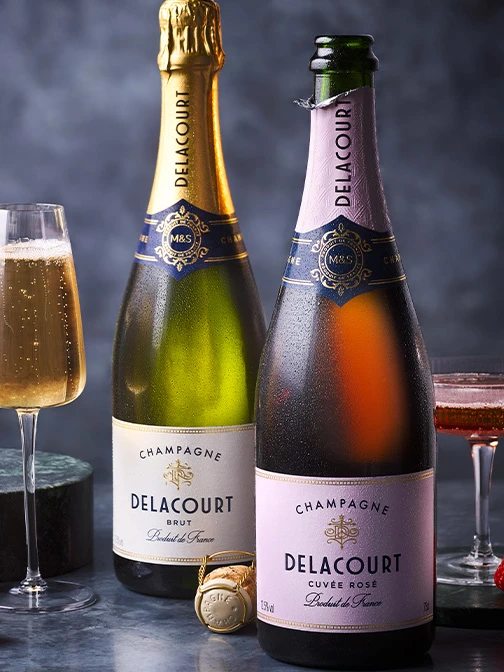
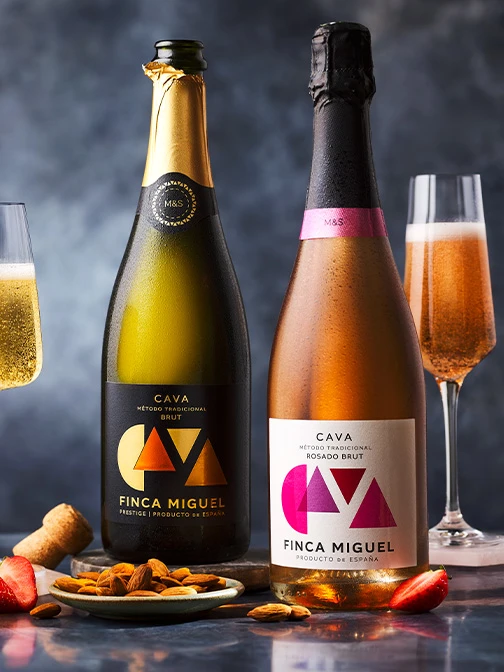
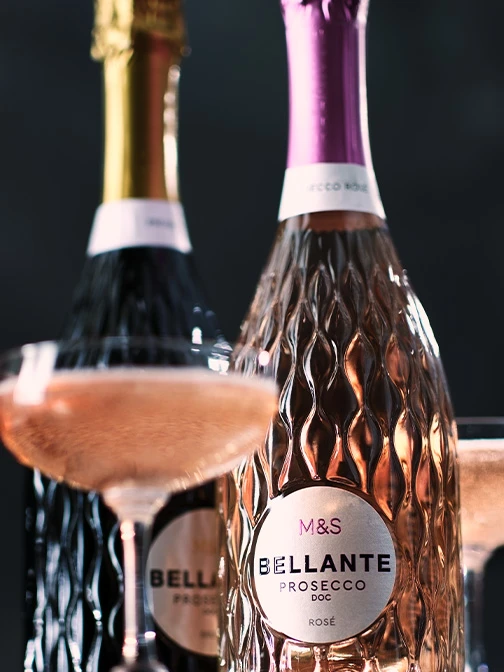
From much-loved dry Provence rosés with their pale, delicate, refreshing flavour, like our organic La Balconne rosé, to sweeter, fruitier medium-dry rosés, like our Rosé d'Anjou, to a whole spectrum of sparkling rosés, from champagne to pét-nat, there are so many types of rosé to discover.
Provence rosé
"Provence rosé has grown hugely in popularity in the last 10 years", says Belinda. "These wines have a crisp minerality, which people love." Choose from delicate and distinctly fruity Coteaux Varois to iconic Classics Côtes de Provence with notes of citrus, pink grapefruit, peach and raspberry (available in select stores).
Our La Balconne rosé is tipped by the experts to be the must-try rosé of the summer. "Our organic La Balconne rosé is of incredible quality. It’s quite a rich, voluptuous wine, with lots of fleshy flavour compared to other Provence rosés, but still has that characteristic crisp minerality," says Belinda. She's not the only one who loves this tipple. TV drinks expert Andy Clarke says, “move over Whispering Angel … Rosé doesn’t get better than this!”.
How to serve rosé
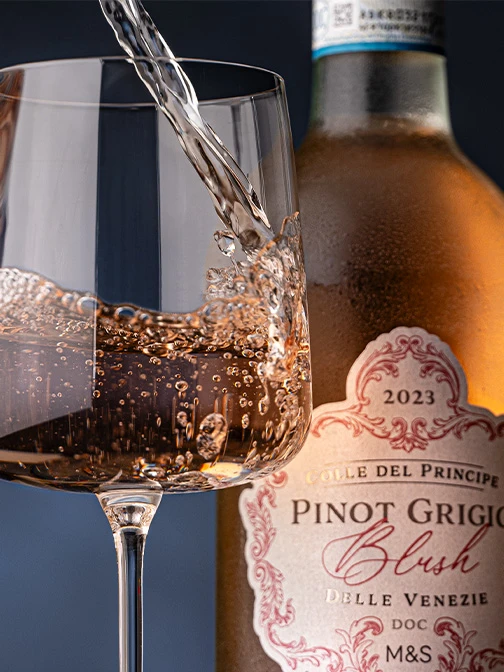
Serve your rosé much like you would a bottle of white – around 7 to 13°C, or with a 20 to 30 minute chill time in the fridge. Store your rosé away from direct light and humidity, that isn’t affected by big temperature changes. Once opened, enjoy it within three to five days to prevent the wine from oxidising.
Published 30/04/2026